A well-presented two-bedroom apartment in San Pedro de Alcántara can earn between €24,000 and €30,000 a year as a short-term let, and a good Airbnb property manager in San Pedro de Alcántara handles everything from licensing to guest check-ins so that income actually lands in your account. Marbella-area holiday rentals average 58% to 67% occupancy across the year (AirDNA, Guest Favorites and Airbtics, twelve months to January 2026), with well-managed homes reaching 80% to 90% in July and August. San Pedro's position just west of Puerto Banús makes it one of the steadier corners of the Costa del Sol rental market.
If you own here and you are weighing up whether to self-manage or hand the keys to a professional, this guide covers the numbers, the 2026 licensing rules and what a manager genuinely takes off your plate.
Why is San Pedro de Alcántara a strong rental market?
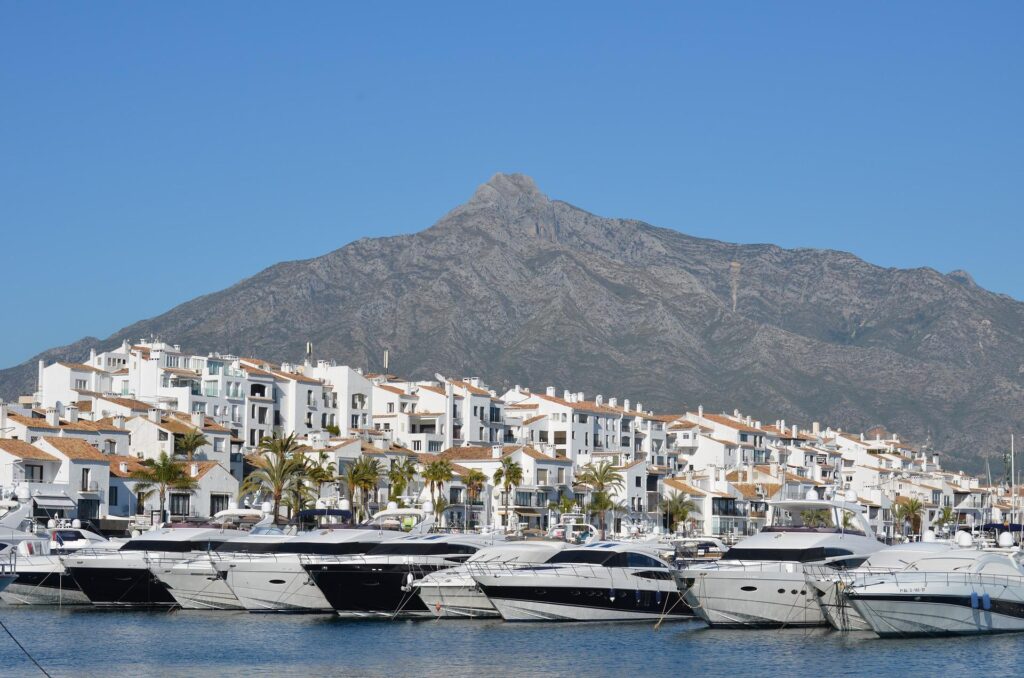
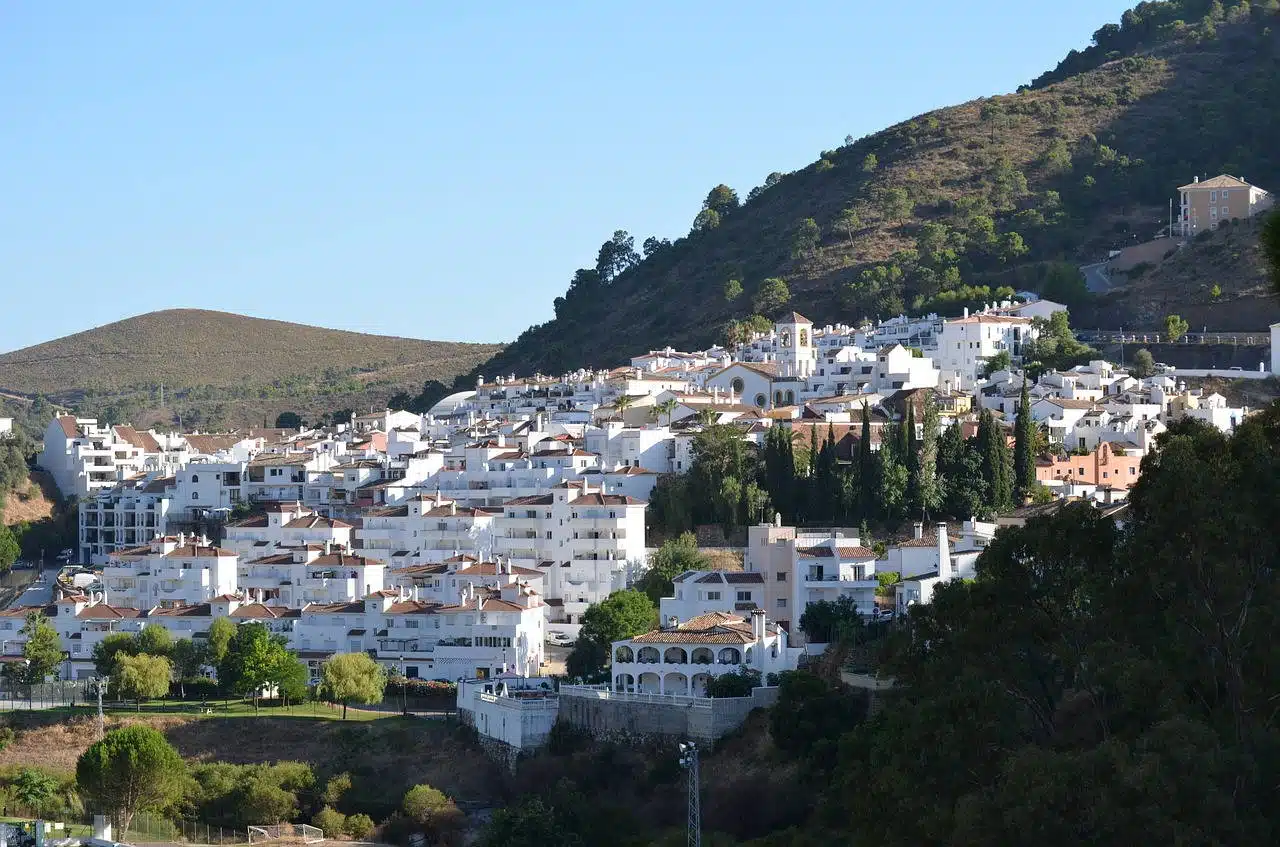
San Pedro sits about three kilometres west of Puerto Banús, close enough to share the glamour but priced more sensibly than Marbella's marina postcodes. The town has reinvented its seafront with a wide beachfront boulevard built over the buried A-7 motorway, and the historic centre around the Plaza de la Iglesia gives guests a genuine Andalusian town to walk into, not just a resort strip.
That mix of beach, real town life and golf (Guadalmina and La Quinta in neighbouring Benahavís are minutes away) pulls in families and couples who book longer, calmer stays. Average nightly rates across the Marbella market run at roughly €200 to €290 depending on the tracker, and San Pedro's lower purchase prices help its percentage yield.
The properties that outperform here are not always the most expensive. They are the ones that are licensed correctly, priced dynamically and reviewed consistently above 4.7 stars.
What licences do you need to rent short-term in 2026?
Here is what renting legally in Andalucía involves in 2026:
- Regional VFT registration with the Registro de Turismo de Andalucía. This is a declaración responsable and it is free; once accepted you receive a number in the format VFT/MA/12345, where "MA" identifies Málaga province.
- No national number needed. Spain's national NRUA register no longer applies: the Supreme Court annulled it in Judgment 620/2026 of 19 May 2026 (announced 21 May). Your Andalusian registration number is the only one your listing needs. Details in our post on the scrapped national register.
- Community approval. From 3 April 2025, apartments in a comunidad de propietarios need an explicit vote of three-fifths of the owners, holding three-fifths of the participation quotas, to start a new tourist let (Organic Law 1/2025). Owners who missed the meeting have 30 days from notification to object, and lets registered before that date are not affected.
Under Decreto 31/2024 the property also needs a valid occupancy title, such as a first occupation licence, and must comply with the local urban plan. The good news comes when you sell. In Andalusia the tourist registration stays with the property. When a licensed home is sold, the buyer keeps it active by filing a change-of-ownership notice (Comunicación) with the Registro de Turismo de Andalucía.
What does a property manager actually do for the fee?
The honest answer is that San Pedro is now a compliance-heavy market, and the admin is where most private owners come unstuck. A full-service manager registers the VFT, submits guest identity data to the Ministry of the Interior through SES.Hospedajes within 24 hours of check-in, prices the calendar week by week, and keeps the property hotel-clean between stays.
Premavista is an established boutique agency led by husband and wife Roderick and Anastasia with their own team, and we run an in-person model: a real person meets your guests, checks the apartment in person between bookings, and is reachable when a tap leaks at 9pm. We charge 20% of net rental income plus 21% IVA, where net is what is left after Airbnb or Booking.com has taken its fee, so you see exactly what the property earns and exactly what we charge. For a typical San Pedro two-bedroom, that hands-on approach is the difference between the €24,000 floor and the €30,000 ceiling.
If you would rather not spend your summer answering booking messages, that is precisely the work a manager absorbs. You can read more about our full San Pedro rental management service, see how we approach vacation rental management across the coast, or compare notes with nearby Nueva Andalucía, where two-bed apartments earn €28,000–35,000 annually.
Is it worth using a manager in San Pedro?
If your apartment is licensed, you live nearby and you enjoy hosting, self-management can work. The moment you are an overseas owner, time-poor, or unsure about the registration rules, a professional usually pays for itself through higher occupancy, fewer void nights and zero compliance fines. The Andalusian market is rewarding well-run properties and quietly squeezing out the casual ones, and that gap keeps widening.