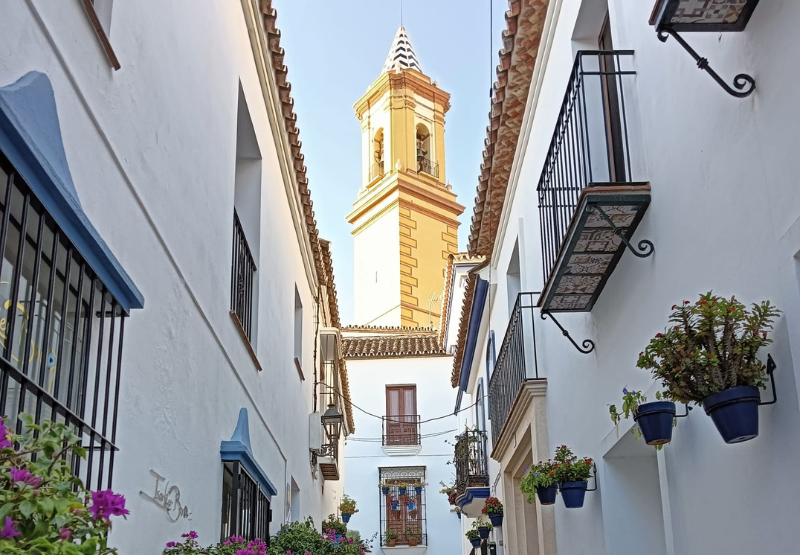
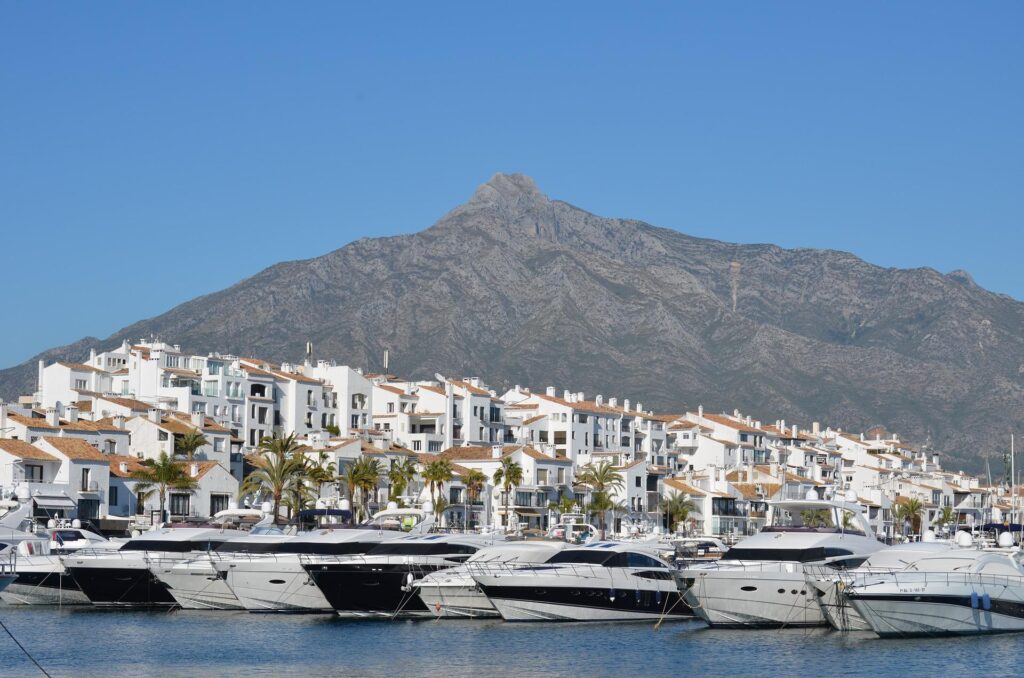
Málaga city and Manilva have paused new tourist registrations for up to three years, while Marbella, Estepona and Benahavís are still accepting applications in 2026. On 5 July 2026 Malaga City Council went further, approving urban-plan changes that strip away automatic approval for new tourist apartments and short-term rentals on residential land. Any new project there now needs a full planning modification that proves broad public benefit, and applications filed after the rule takes effect can be suspended for up to three years.
For anyone already holding a valid registration, this is quietly good news. When the door to new licences narrows, the homes that can legally operate as holiday rentals on the Costa del Sol become scarcer, and scarcity is exactly what protects both nightly rates and resale value.
Which Costa del Sol towns have paused new tourist licences?
The map has changed sharply in the past twelve months, and it is worth knowing where the lines fall before you buy or convert:
- Málaga city: a three-year pause since August 2025 on new registrations in 43 saturated neighbourhoods, defined as those where tourist homes already exceed 8% of the housing stock. On 5 July 2026 the council went further and removed automatic approval for tourist accommodation on residential land across the city.
- Manilva: its own three-year pause on new licences.
- Mijas: additional conditions rather than a freeze, with apartment communities varying widely in what their bylaws allow.
- Fuengirola: restrictions aimed at nuisance prevention and building compliance in a market that is heavily apartment based.
- Marbella, Estepona and Benahavís: still open to new applications, with case-by-case checks.
Marbella has no blanket cap or freeze, but every application is checked against the urban plan and, in shared buildings, needs a three-fifths community vote (Organic Law 1/2025, since 3 April 2025; existing lets not affected). A property that would be refused a new licence in a saturated Málaga barrio can still be licensed in Nueva Andalucía or Elviria today, and that gap is the real story of 2026. Our touristic licence guide for Marbella sets out the paperwork step by step.
Does your licence follow the property when you sell?
Yes, and it is the part of the picture that many owners still get wrong. In Andalusia the tourist registration stays with the property. When a licensed home is sold, the buyer keeps it active by filing a change-of-ownership notice (Comunicación) with the Registro de Turismo de Andalucía. A change of ownership does not cancel it.
A home that already carries an active licence in a town that has stopped issuing new ones is not just a place to stay. It is a permission that can no longer be freely bought, and that permission travels with the deed.
That single fact reshapes how a licensed property should be valued. Whether the home sits in Nueva Andalucía, Estepona or the hills of Benahavís, the active licence is now part of what the buyer is paying for.
What does it mean for owners now?
If you own a licensed property on the Costa del Sol, the practical takeaways are simple. First, keep your registration current and your compliance clean, because a valid licence is now worth more than the paperwork suggests. Second, if you are weighing a sale, make sure the buyer and their agent understand that the licence transfers with the property, since that can add real negotiating weight. Third, if you are considering buying to let, prioritise homes that already hold a licence over ones that would need a fresh application you may never get.
Premavista manages 17 homes: 14 holiday rentals and 3 high-end villas, across Marbella, Benahavís and Estepona. Every one is run with full licensing and compliance built in, so owners capture the upside of this tightening market rather than the risk. If you want to know what your licensed home could earn in the current climate, we are happy to talk. Message us on WhatsApp at +34 600 543 173 or use our contact page.